 Proxmox Pulse
Storage, ZFS & Backup Strategies
Optimize ZFS Snapshots for Efficient Proxmox Backups
Pair ZFS snapshot cadence with incremental send streams to shrink nightly backup windows and simplify your restore path.
8 min read
Page 2 of 16 — showing Proxmox VE articles 13–24 of 183.
Pair ZFS snapshot cadence with incremental send streams to shrink nightly backup windows and simplify your restore path.

Your hypervisor stops getting patches after August 2026, but a smooth transition to version 9 keeps workloads secure.

Move beyond x86 without managing parallel tracks. Proxmox VE 9.2 treats ARM servers as first-class cluster members.

Segmenting Your Proxmox Homelab: Practical VLAN Configuration and Firewall Rules

A single Proxmox node can run dozens of Docker-in-LXC containers before hitting practical limits, and the memory savings add up fast across ten or more workloads.

Fresh Proxmox install? Skip the guesswork—here's exactly which settings to configure first so your VMs run smoothly from day one.

A free tier with built-in clustering has pushed more home server users toward a platform where live migration works without third-party plugins.

Most homelabbers install a five-disk RAID-Z2 array in Proxmox VE then ignore it until backups start taking hours — here's what actually matters about pool tuning.
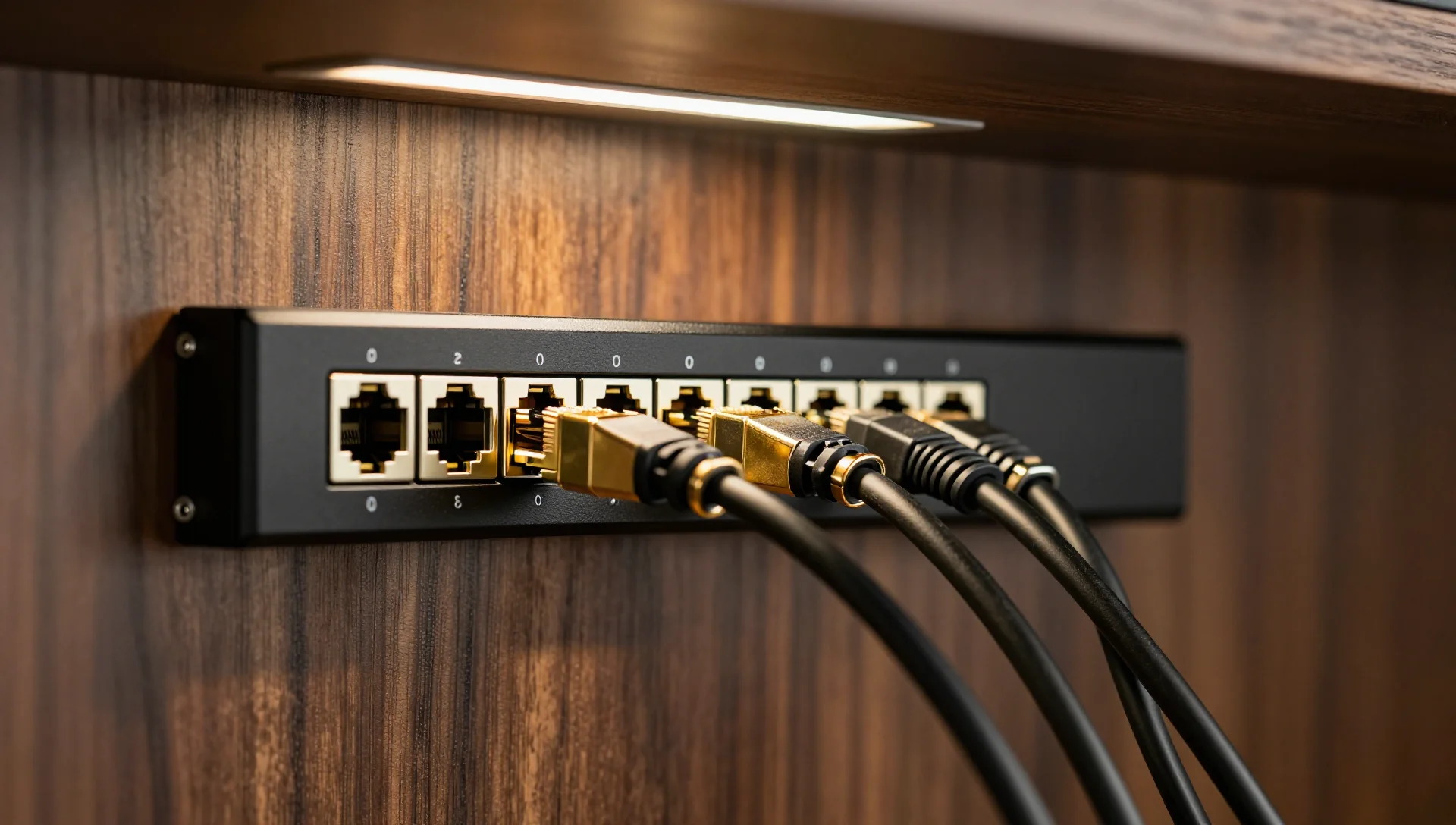
Most homelab tutorials show a single Ethernet cable from your switch into one network port, then tag every other
Both run fine in Proxmox containers. The real difference is how they handle fuse-overlayfs under the hood when you're not running privileged.
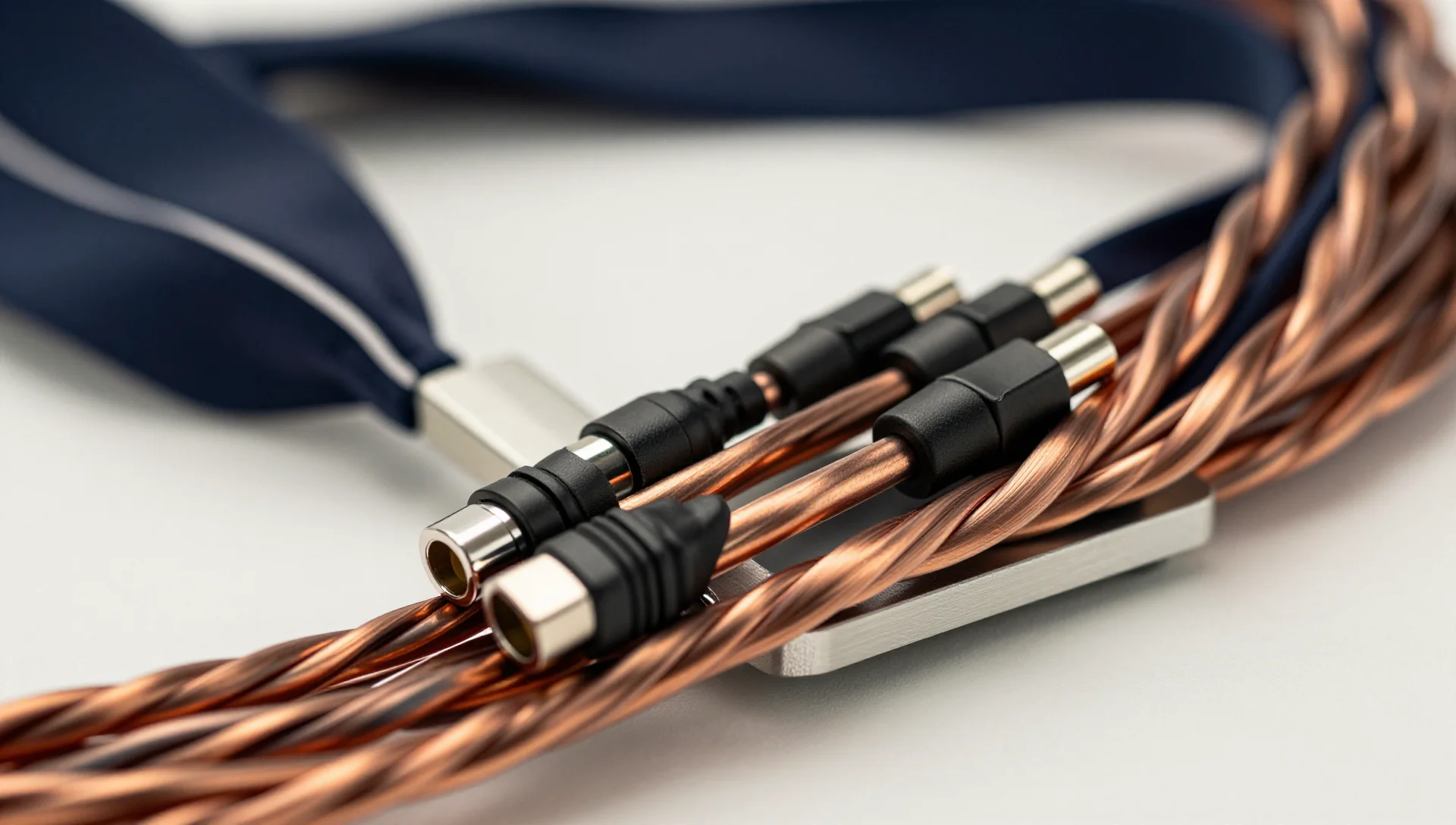
Bonded interfaces on Proxmox VE let VM traffic flow across several cables instead of a single port, so when an SFP fails you don't lose everything at once. The real question is which bonding mode matches what your switch can actually do — active-backup for simplicity or LACP for throughput.

These small focused tools replace tedious manual tasks so you can reclaim time on your homelab cluster without adding another automation layer.