 Proxmox Pulse
Proxmox VE 9.x Post-Upgrade Tuning Checklist for Production
Your new hypervisor works out of the box, but hidden config drift quietly throttles performance under real workloads.
9 min read
Step-by-step Proxmox VE installation guides, post-install configuration checklists, and migration tutorials for getting your hypervisor up and running.
Your new hypervisor works out of the box, but hidden config drift quietly throttles performance under real workloads.

Your hypervisor stops getting patches after August 2026, but a smooth transition to version 9 keeps workloads secure.

Move beyond x86 without managing parallel tracks. Proxmox VE 9.2 treats ARM servers as first-class cluster members.

Fresh Proxmox install? Skip the guesswork—here's exactly which settings to configure first so your VMs run smoothly from day one.

Bonded interfaces on Proxmox VE let VM traffic flow across several cables instead of a single port, so when an SFP fails you don't lose everything at once. The real question is which bonding mode matches what your switch can actually do — active-backup for simplicity or LACP for throughput.
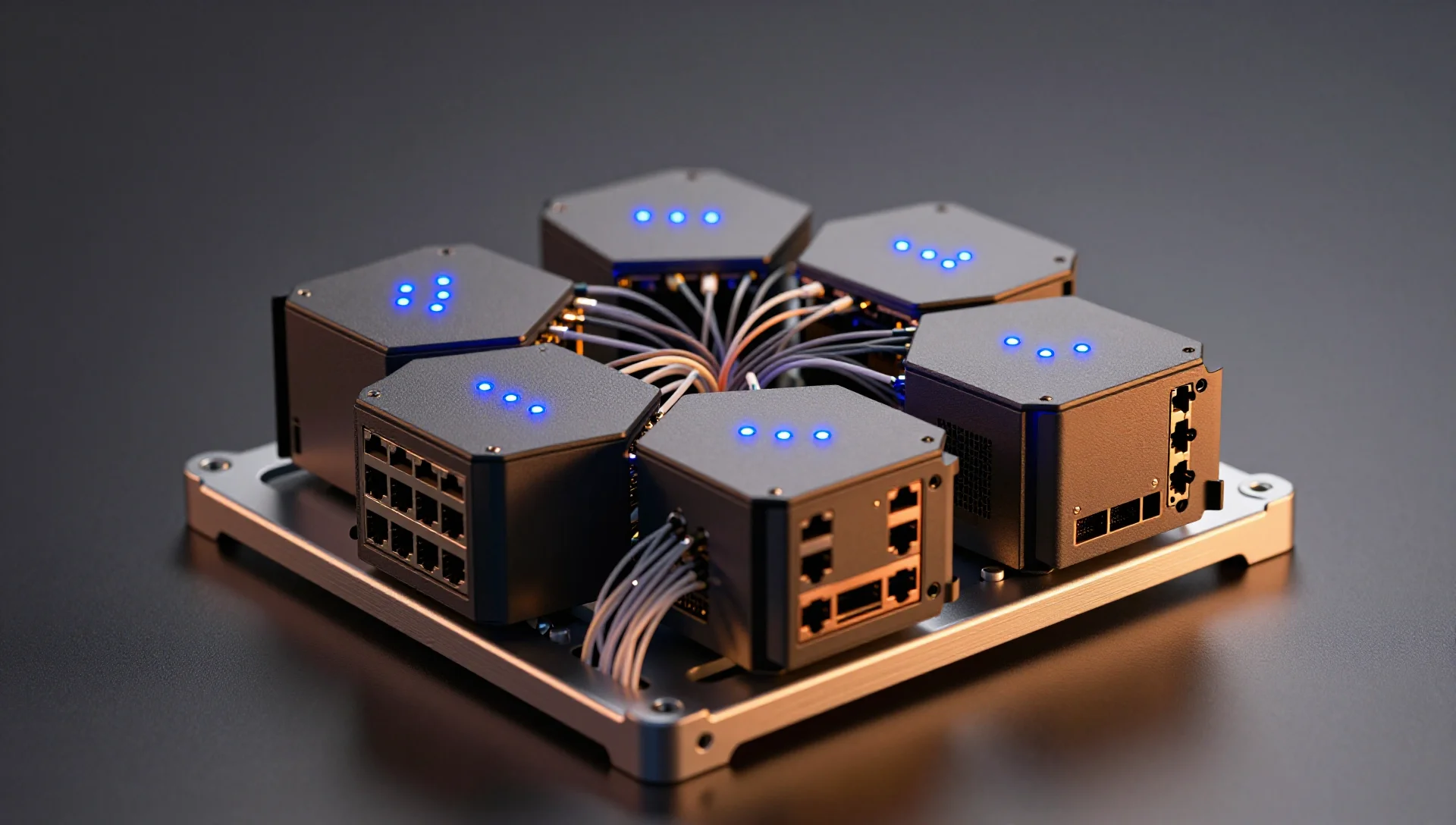
Data Center Manager (DCM) is Proxmox's new web-based tool for automating host installation across multiple nodes

Most admins miss several of these because they don't require configuration changes — just toggling a flag in /etc/pve/.

That single installer choice shapes how your backups behave years later — here's what actually matters when deciding between the two options for real workloads, not just defaults.

Migrating VMware ESXi workloads no longer requires a leap of faith; here's what changed since earlier comparisons that makes today the right time to move.

Installing Proxmox VE looks simple on paper but has enough moving parts—a misstep early can make later configuration feel like wrestling.

Migrating VMs off VMware ESXi is rarely just about saving on licensing—it's usually the consolidation story that drives the decision forward.

The Cortex-A76 cores in the Pi 5 handle real workloads without emulation overhead when you pin your CPUs right.

Deploying a basic VM is easy — but real performance comes from choosing the right NIC config, VLAN strategy, and backup plan for your workload.

Setting up a new Proxmox VE installation involves more than just getting the software running on hardware. You're making architectural decisions about storage, networking, backup strategy, and container versus VM usage that affect your system for months or years.

A clustered Proxmox setup lets VMs survive node failures without manual intervention, giving you HA and zero downtime during upgrades.

Most new Proxmox clusters miss two critical settings that silently drain resources — here's how to flip them before your first guest boots.

Proxmox VE 9.1 lets you pull Docker images and run them as LXC containers, eliminating the need for custom templates and speeding up deployments.

PVE 9.1 adds native OCI image support for LXC — here's how to upgrade without losing quorum or breaking storage.

Test Proxmox clusters and upgrade paths without touching production — two commands enable nested virtualization on any modern CPU.

Two APT source swaps, two reboots, and the right pre-upgrade checkers stand between your PVE 7 node and PVE 9.1.

Move every service off bare metal and into Proxmox. Get snapshots, isolation, and the ability to rebuild any workload in under five minutes.

Lid close, thermal throttling, WiFi bridging — solve the four laptop-specific gotchas that sink a Proxmox install.

Stop managing Proxmox local users manually — connect to your existing LDAP or Active Directory and assign roles to security groups.

VMware's Broadcom pricing made vSphere unaffordable — here's how Proxmox VE covers HA, RBAC, and backup for free.

Set up Proxmox VE 8.1 email and webhook alerts in 20 minutes so backup failures hit your inbox before users notice.

Export, convert, and import your Hyper-V workloads into Proxmox VE 9 without reinstalling a single OS or losing data.

Skip the installer wizard every time. Answer files let you automate Proxmox VE installs for repeatable, unattended bare-metal deployments.

From quorum misconfiguration to ZFS ARC starvation, these are the Proxmox mistakes that catch beginners off guard.

Skip the guesswork. These 5 VMs and LXCs turn a fresh Proxmox install into a genuinely useful homelab from day one.

Proxmox Datacenter Manager is finally here. Here's how to install the alpha and connect your clusters to one dashboard.

Get Proxmox VE running perfectly on Intel N100 mini PCs with BIOS tweaks, driver fixes, and workload recommendations.

VMware's licensing chaos changed everything. Here's how Proxmox, VMware, and XCP-ng stack up in 2026 for homelabs and production.

Run Proxmox VE on a Raspberry Pi 5—here's what works, what doesn't, and how to get the most out of ARM-based virtualization.

Proxmox VE 9 is out with a new kernel and OCI LXC support. Here's how to upgrade from PVE 8 without losing a single VM.

Everything you need to get Proxmox VE running on bare metal, from USB creation to your first web UI login.

A real-world walkthrough of moving your VMs from ESXi to Proxmox without the headaches and downtime.

The 15 things every Proxmox node needs configured before you start creating VMs and containers.