 Proxmox Pulse
LXC Containers & Docker
Docker Inside Proxmox LXC: A Practical Guide
Most people overthink container architecture—here's exactly why you should probably just put Docker in an LXC instead of a VM.
10 min read
Page 5 of 16 — showing Proxmox VE articles 49–60 of 183.
Most people overthink container architecture—here's exactly why you should probably just put Docker in an LXC instead of a VM.
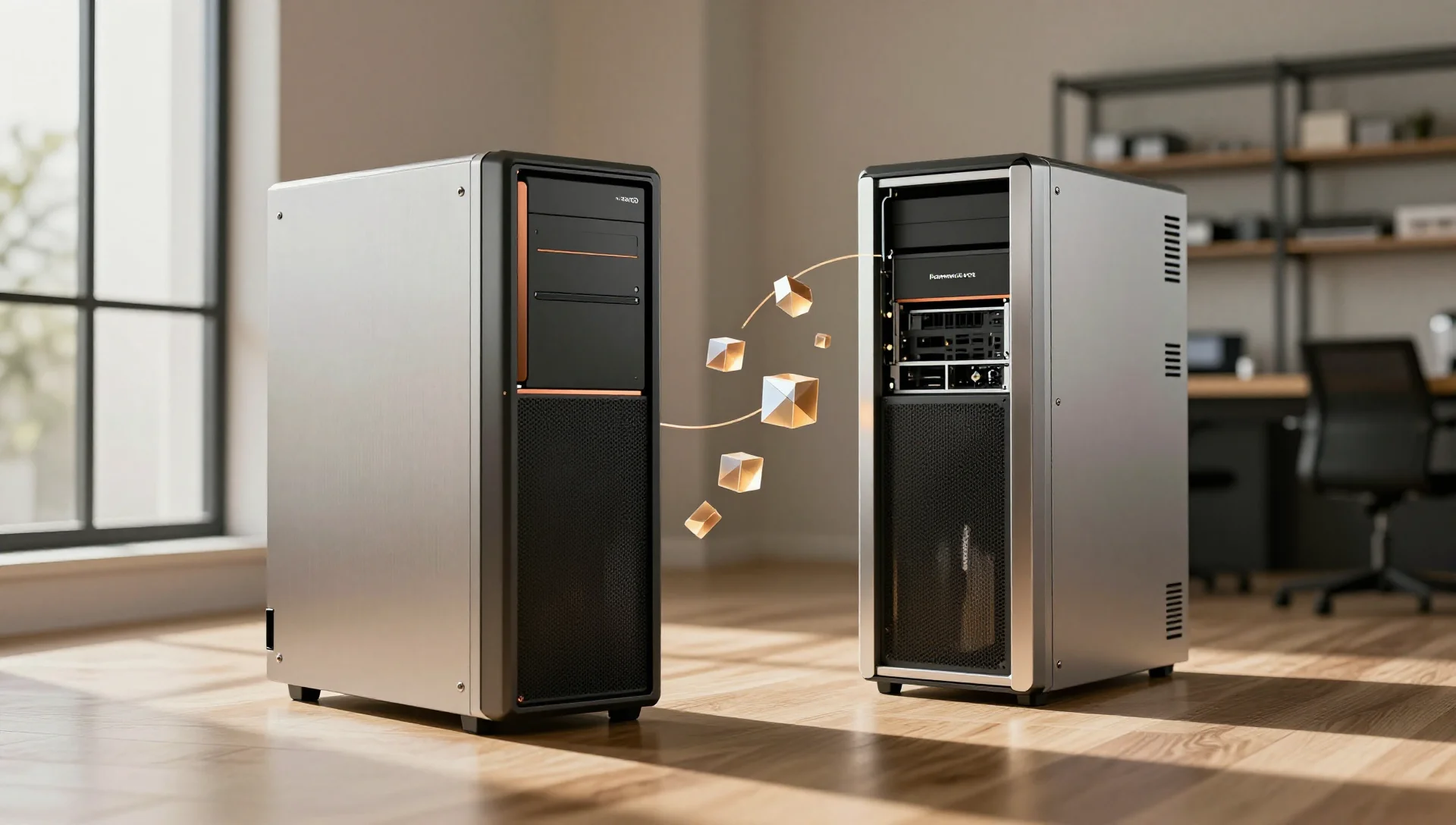
Migrating VMs off VMware ESXi is rarely just about saving on licensing—it's usually the consolidation story that drives the decision forward.

LXC gives you a lightweight persistent machine; Docker gives you a disposable, reproducible app. On Proxmox the smart move is usually not either/or — it is knowing which layer each workload belongs on.

Manage VMs across separated nodes without merging everything into a single cluster or losing independent HA groups.

Most homelab file serving doesn't need a separate NAS — here's how to get ZFS-backed shares working reliably on Proxmox without the pitfalls most guides skip.
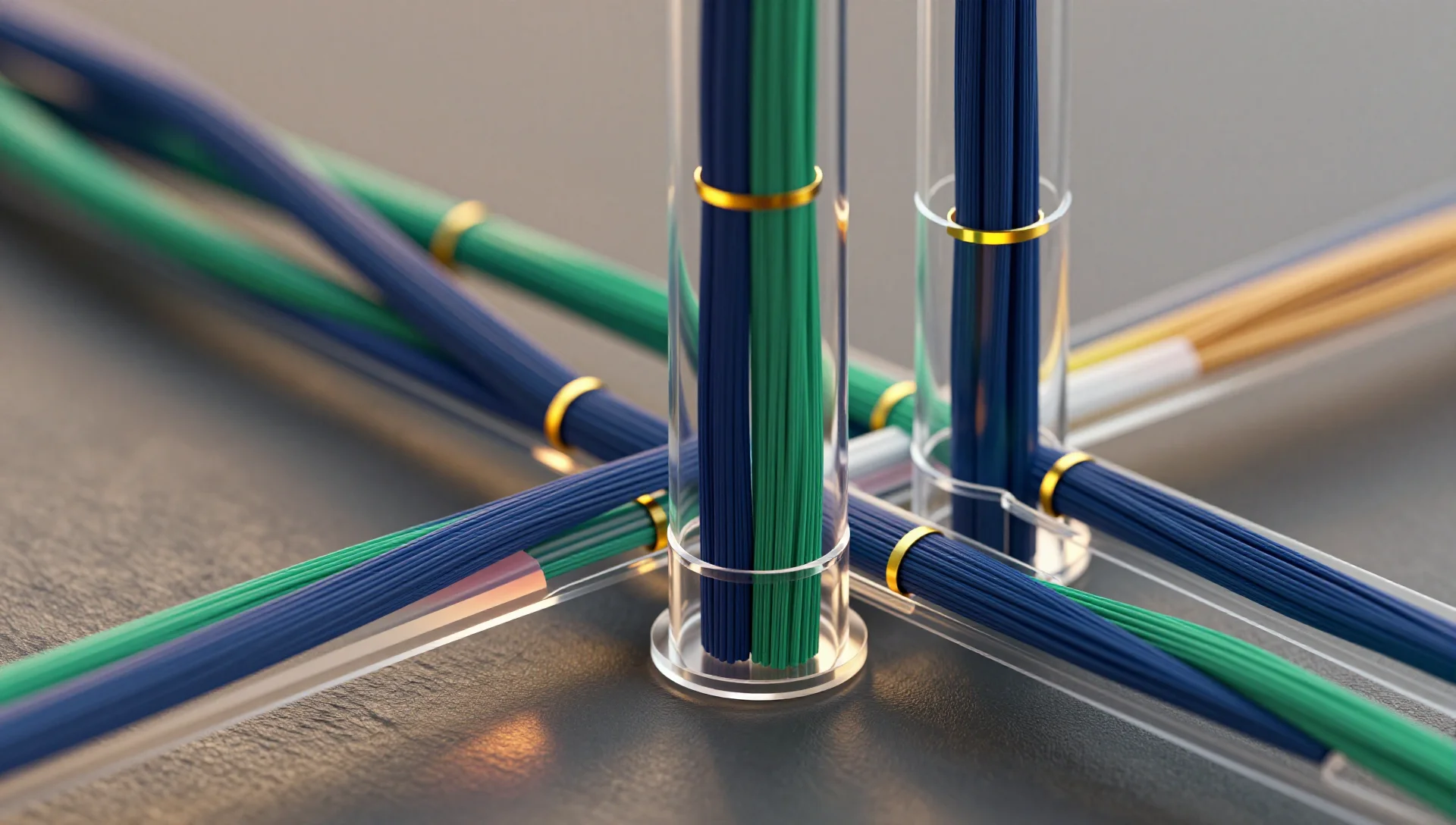
Tagged or untagged? The answer depends on whether you need simple multiplexing across one link or true Layer-2 isolation between storage and guest traffic in Proxmox VE.

PBS is free, tightly integrated, and dedupes brilliantly; Veeam brings file-level restores, application awareness, and a multi-platform console. The winner depends on whether Proxmox is your whole world or just part of it.

Unprivileged LXC containers on Proxmox VE often outperform equivalent VMs in speed and resource use without sacrificing much isolation or capability.
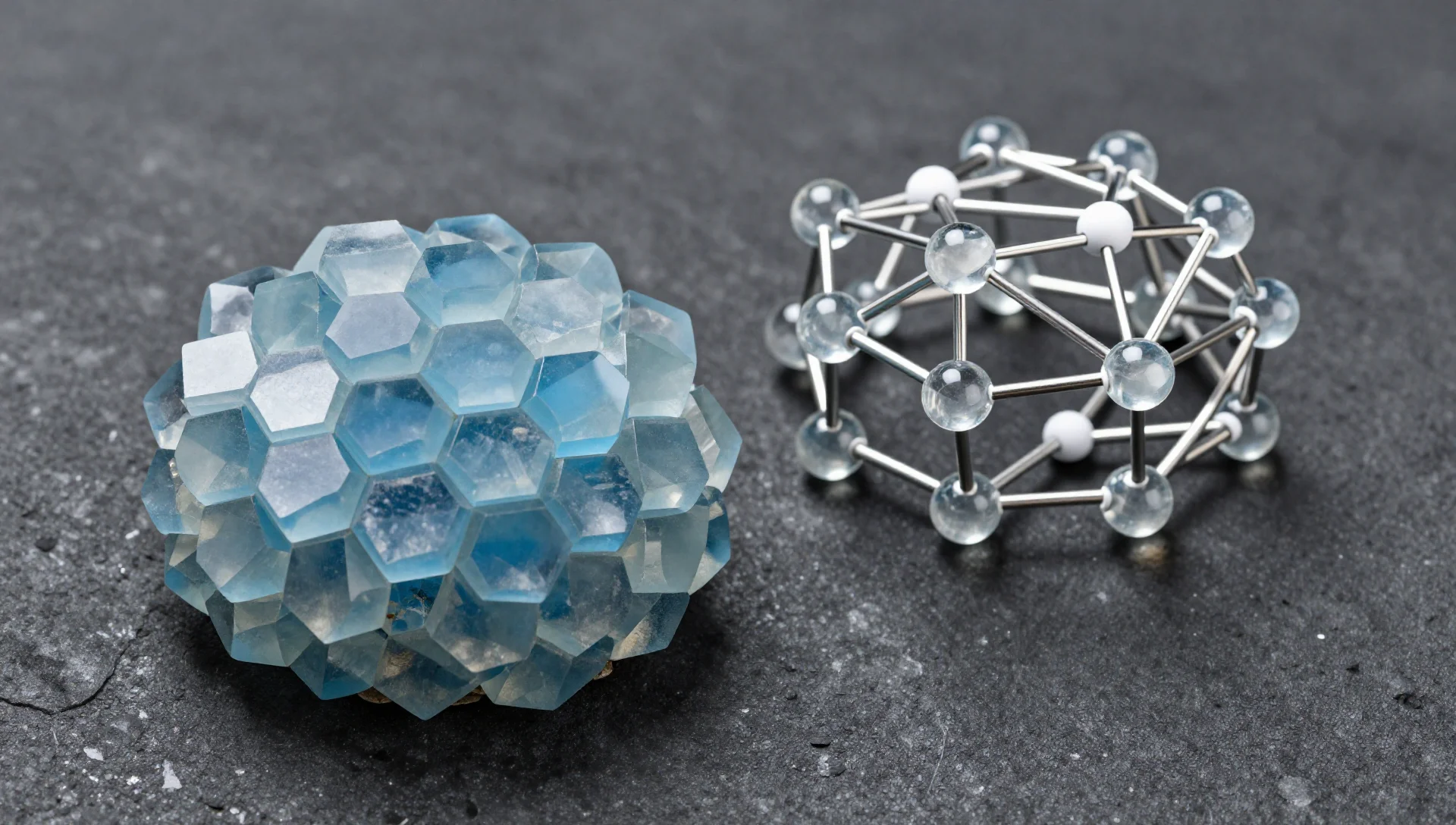
ZFS gives you fast local storage with almost no dependencies; Ceph gives you true shared storage that survives a node failure. The right choice depends on node count, your network, and how fast you need to fail over.
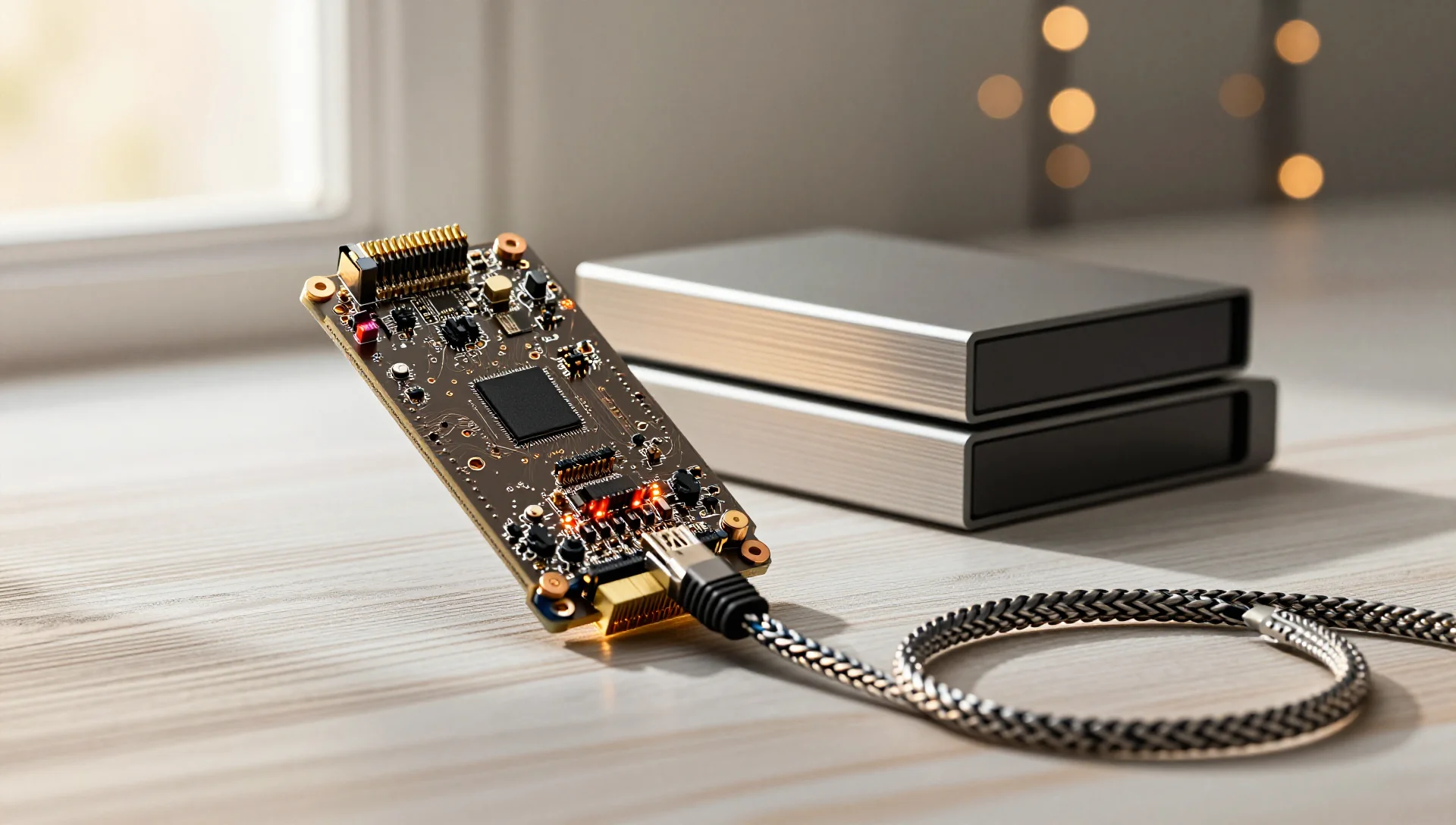
The Cortex-A76 cores in the Pi 5 handle real workloads without emulation overhead when you pin your CPUs right.
Most homelab users enable ZFS dedup blindly — here's the RAM rule, tuning tips, and when it actually pays for itself on your workload patterns.

Most homelabbers overcomplicate their networking — here's how to get VLANs right the first time without adding unnecessary complexity.